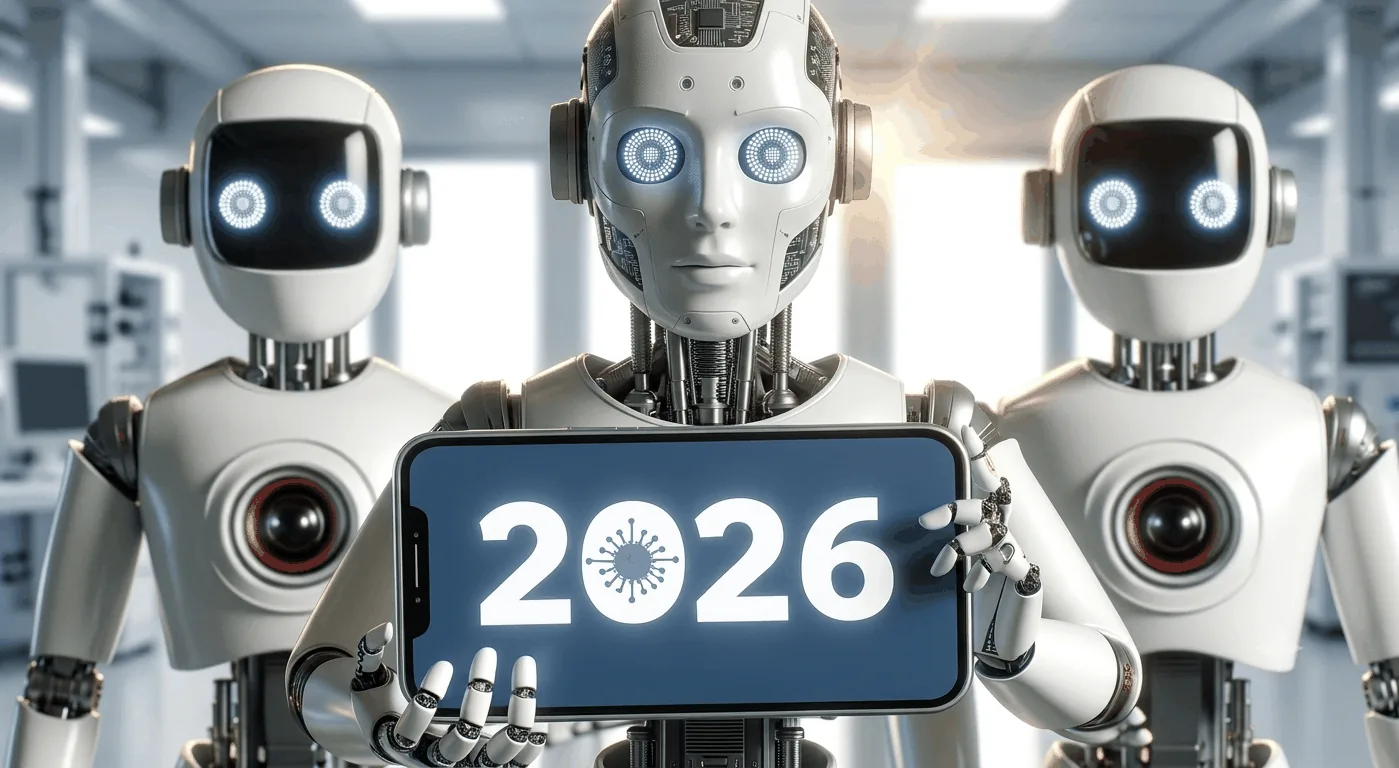
It is 2026, and AI has stopped being a novelty in video. The tools that were rough experiments a couple of years ago now sit inside the apps we already use, from the phone in your pocket to the editing timeline. Here are five shifts that actually matter if you make video for your business.
None of this replaces a good story or a clear message. What it changes is how quickly you can get there, and how much of the fiddly work you can hand off. Here is what is worth paying attention to, in plain language.
1. AI-generated video: a new creative revolution
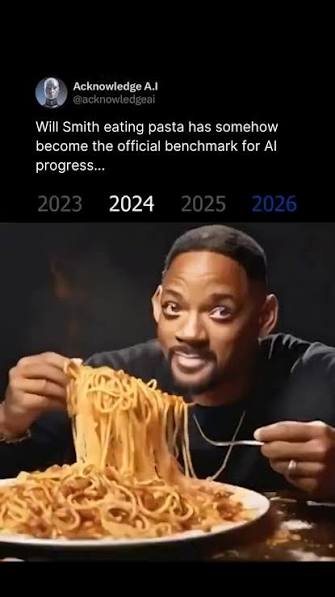
A couple of years ago, AI video was jerky, dreamlike and mostly good for a laugh. That has changed. Google's Veo now turns a written prompt into a short clip with matching sound, Runway gives you real control over camera moves and keeping a character consistent from shot to shot, and cheaper models like Kling do much the same. For a small business this is genuinely handy for B-roll, simple explainer shots and social clips, without hiring a crew. It is not magic, and it still needs a human eye, but the gap between an idea and a usable clip has shrunk a lot.
2. AI mastery: your ticket to career success
You do not need to become a prompt engineer. You do need to be comfortable letting AI take the first pass. The people getting value from it are not the ones who know the most tools; they are the ones who have simply started using one or two properly. Treat it the way you once treated email or a spreadsheet: a normal part of getting the work done, not a special skill you keep putting off.
You do not need every AI tool. You just need to start using one properly.
3. AI and smartphones: a world of possibilities
This one has already happened. AI now lives on your phone, not just on a desktop. Apple Intelligence is built into recent iPhones, and Apple has now teamed up with Google so a revamped Siri runs on Gemini under the bonnet. Android phones get Gemini natively, woven right through the operating system. For video that means captions, tidy-ups, background changes and rough cuts you can do on the same device you filmed on, often before you have left the car park. The practical upshot: more of the work happens where you already are.
4. The rise of smarter, sleeker, multimodal AI models
The big general models now read and create across text, images, audio and video in one place, so you are not juggling a different tool for every job. There is also a healthy split between the large, do-everything models and smaller, cheaper ones tuned for a single task. For most small businesses that means you can pick something that fits the job and the budget, rather than paying for power you will never use.
5. The tools will keep shifting, and that is fine
AI does not move in a straight line. Tools launch, get renamed, merge or quietly disappear, and the headlines swing between hype and alarm. A good example: OpenAI's Sora, one of the most talked-about AI video launches around, was wound down in 2026 once the cost of running it stopped adding up, while rivals such as Veo and Kling kept improving. So do not chase every release. Learn the underlying habit of working with AI, and you can pick up whichever tool is best this month without starting from scratch.
At eMotion Video, we are excited to navigate these trends, integrating AI into our video training and production. We are here to help you harness these technologies for storytelling that is not just compelling, but transformative.
Want a hand putting AI to work in your videos?
Feeling a step behind is more common than you would think. Start a conversation and we will point you to the right first step.
Have a chat