
At a glance
North Queensland Animal Rescue is a not-for-profit that takes in dogs who need somewhere safe, cares for them, and works to find them good homes across North Queensland. Like most rescues, they run on the heart and the hours of a small team of volunteers.
Video matters to a rescue in a very direct way. A short clip of a dog can be the difference between that dog being scrolled past and that dog being adopted. It brings in the donations that keep the kennels running, and it grows the community of people who care. We were not brought in to make those videos for them. We were brought in to help their own team learn to make them.
The videos had three jobs. Teach the foster carers, because a foster carer who knows what they are doing is a dog who settles faster. Build the social media presence, because that is where new volunteers come from. And lift awareness of NQAR across Cairns, so that when a dog needs a home, more people already know who to call.
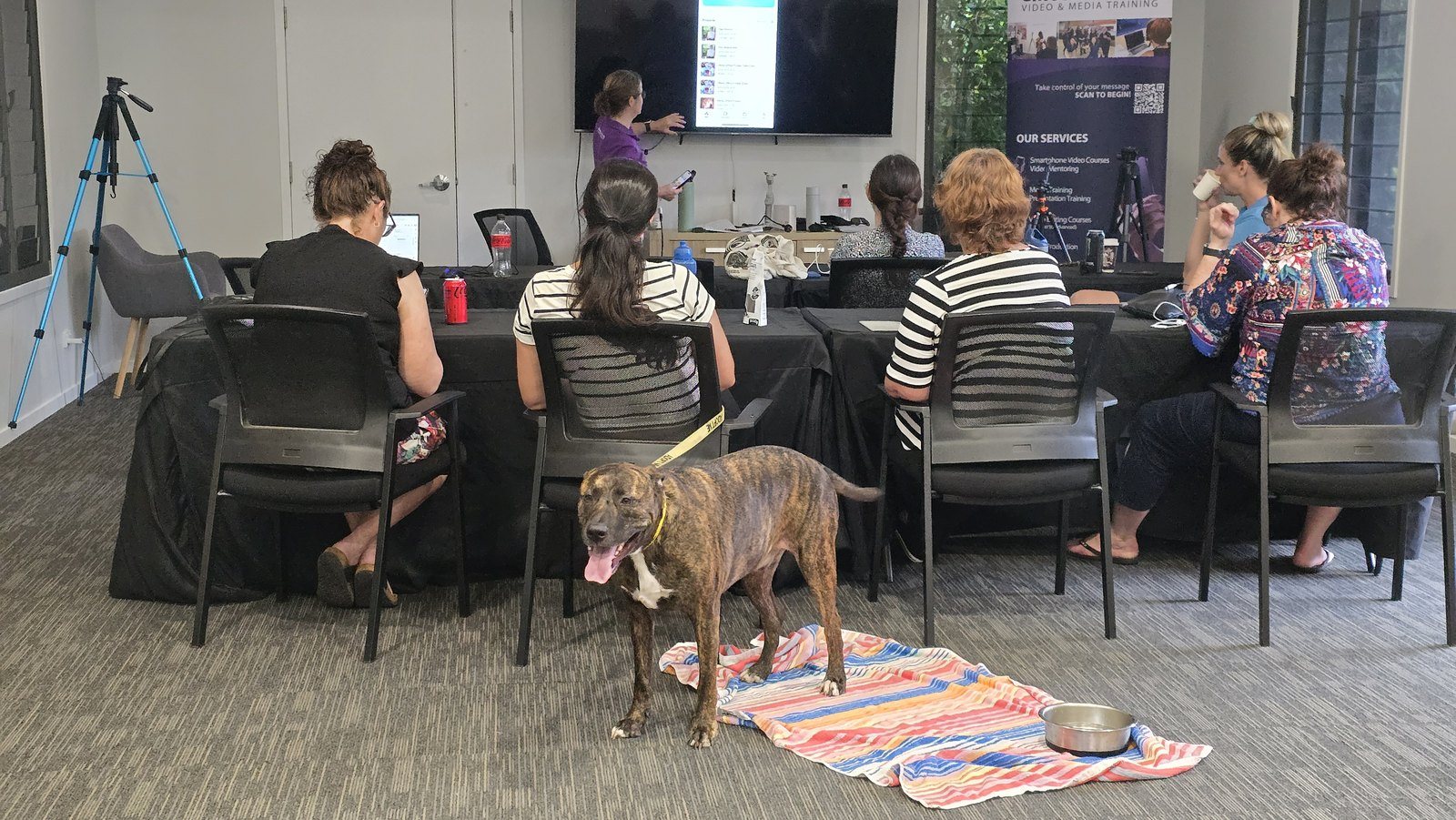
Their own team films
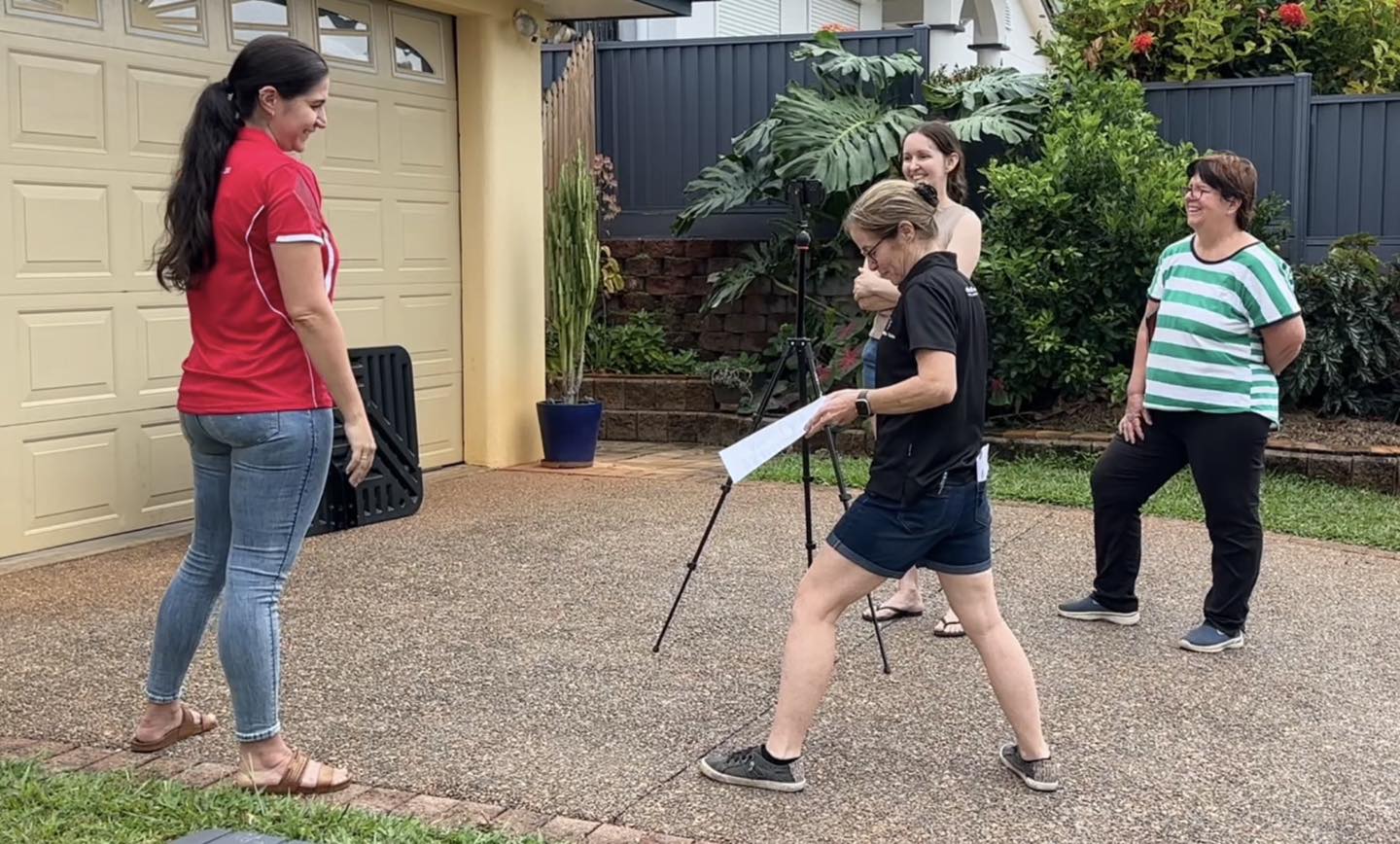
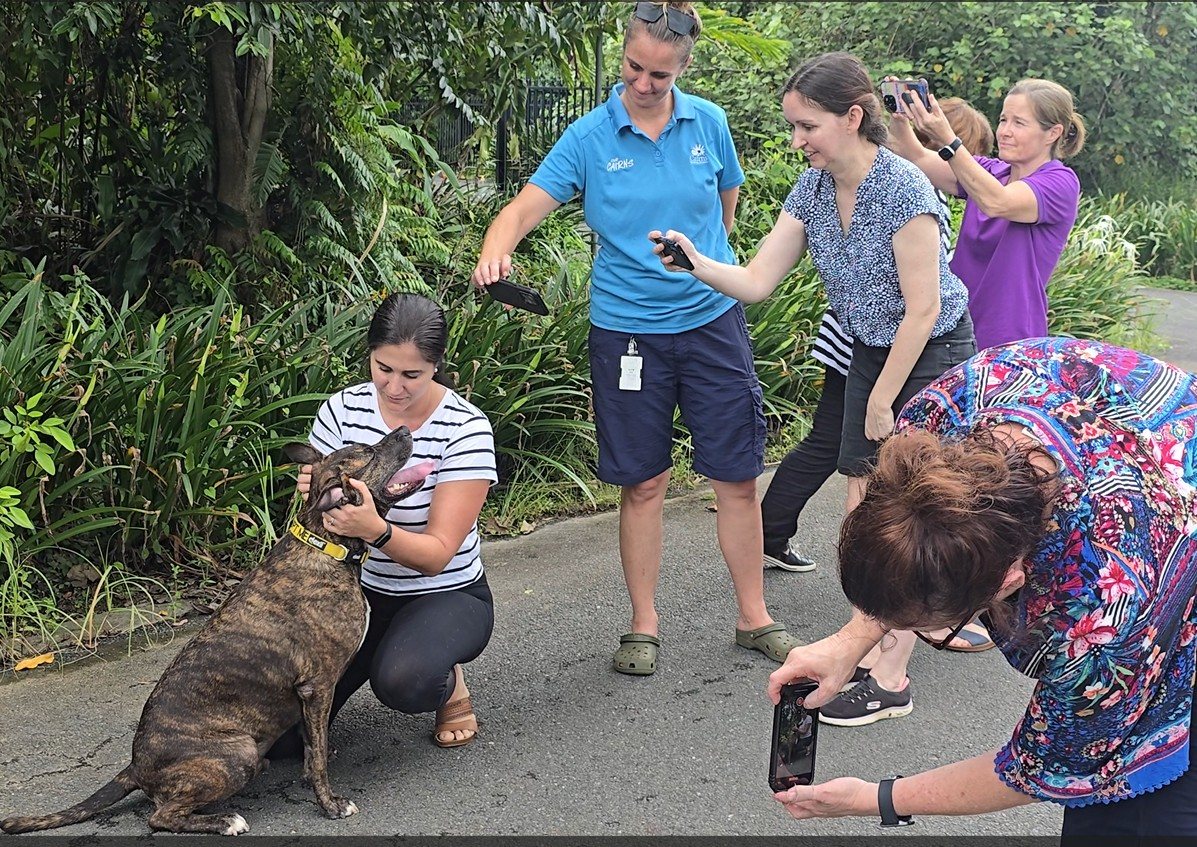
NQAR volunteers plan and film on the phones they already carry, then edit on the desktop.
Video that finds homes
Stories told for adoptions, for fundraising, and for the community around them.
We stay alongside
Mentoring, not taking over. They stay at the wheel, we sit beside them.
The challenge
Time and confidence, not a lack of heart
A rescue never runs short on stories worth telling. What it runs short on is time, and confidence with the camera. When you are feeding, cleaning, vetting and rehoming, sitting down to film and edit a video can feel like one more job you do not have the skills for.
Paying for outside video help every time is not realistic for a not-for-profit, and it is not really what NQAR needed. The dogs come and go quickly. The moments that make people fall in love with them happen every single day, in the yard, at the kennels, on a foster couch. Those moments cannot wait for a crew to be booked.
What the team needed was to be able to pick up a phone, know roughly what to do, and get a watchable video out the same day. That is a skill you can teach, and it is a skill that stays.
How the mentoring worked
Beside them, not in front of them
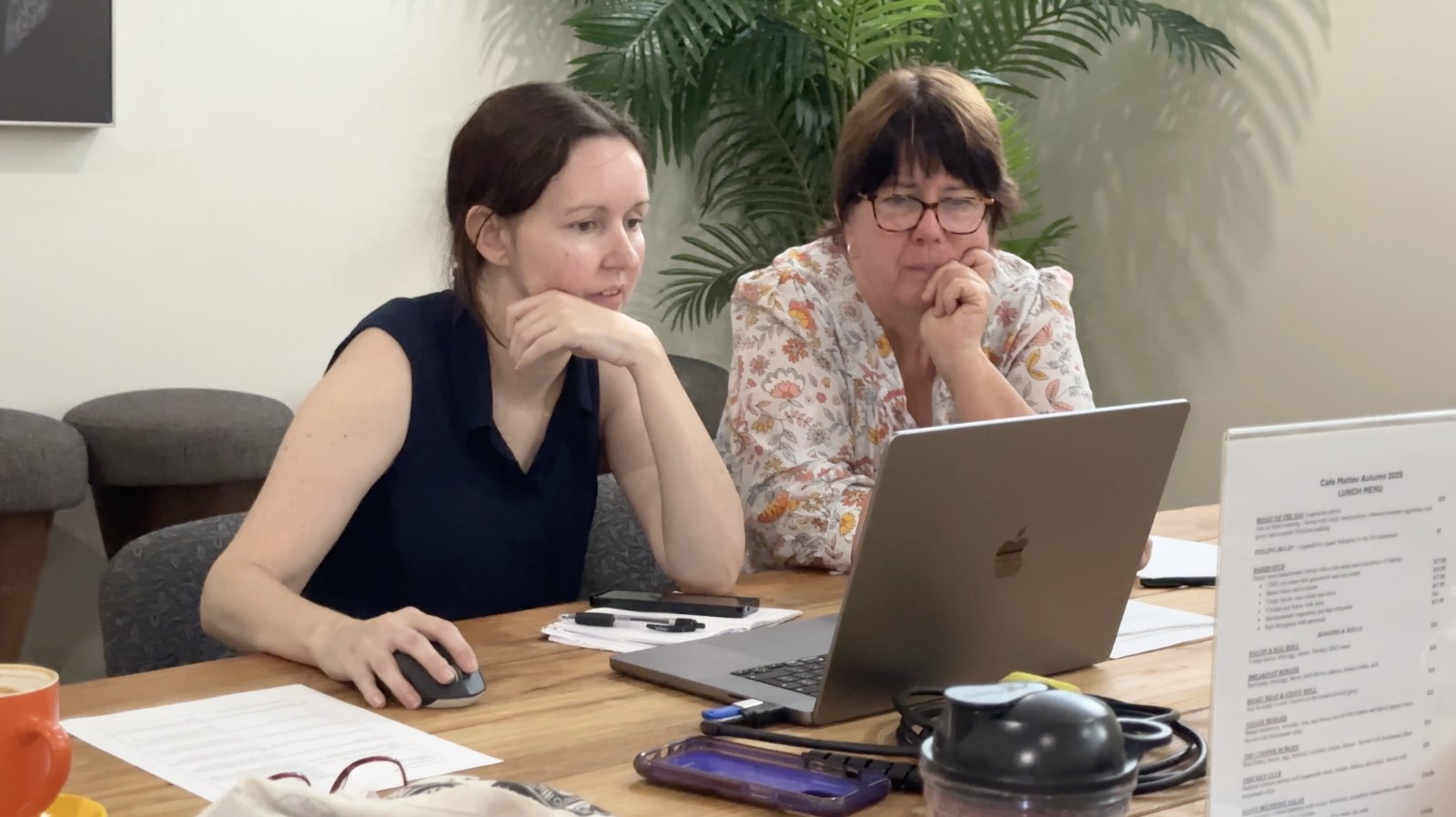
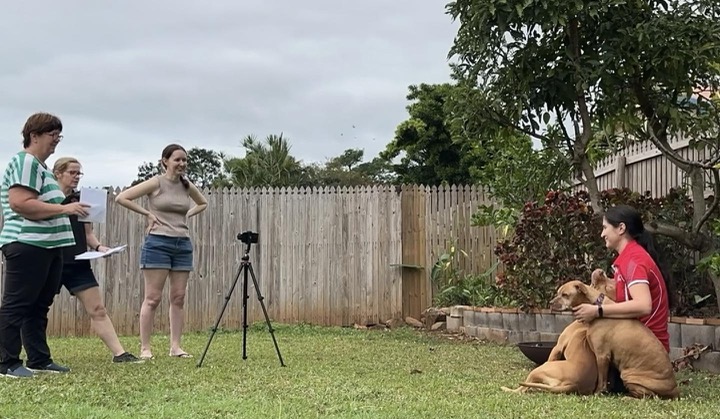
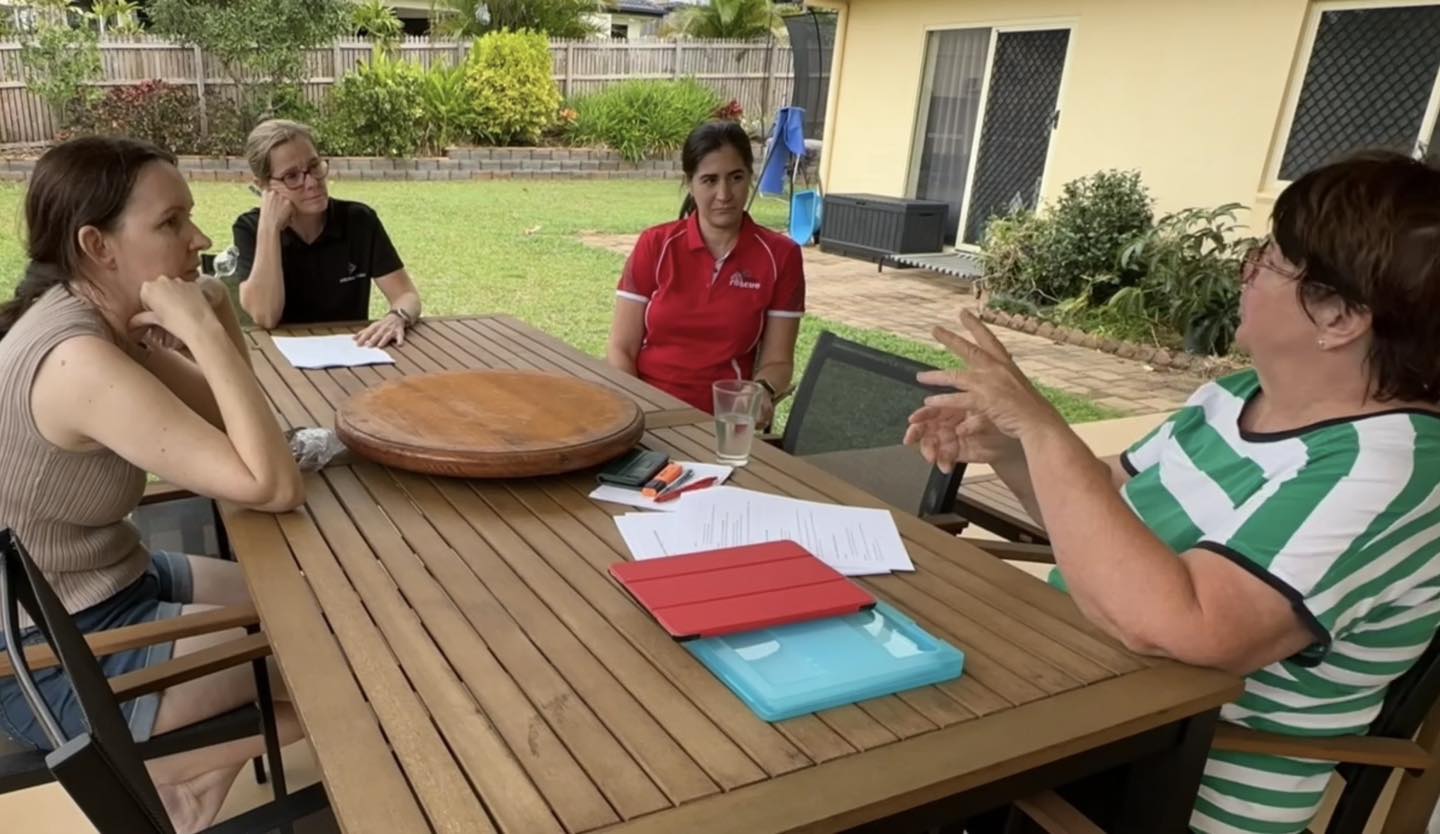
We started where the team was, not where a textbook says they should be. We planned real videos together and filmed them on the volunteers' own phones. Then we edited on their computers, because their videos run to about six minutes, and anything longer than a minute is genuinely awkward to edit on a phone. The team wanted the desktop anyway. It is easier to drive, they could see what they were doing, and as beginners they liked having all the buttons in front of them. Nothing about a studio, nothing they could not do again next week on their own.
Think of it like an experienced driver sitting in the passenger seat while you are on your Ls. The team stayed at the wheel the whole way. They chose the dogs, they told the stories, they made the calls about what to keep and what to cut. We were right there so nothing went wrong, and so the questions that only come up once the camera is really rolling had someone to answer them.
Over the mentoring, the focus moved from "how do I even hold the phone" to "how do I make this one land". That shift, from the mechanics to the storytelling, is the whole point. It is the moment a team stops needing us and starts backing themselves.
See for yourself
They have their own YouTube channel now.
This is not a video we made. NQAR wrote it, filmed it, edited it and published it, on the channel they now run themselves. That is the whole point of mentoring: the skill stays in the building, and the videos keep coming long after we have gone.
“About Us”, made and published by the North Queensland Animal Rescue team.
Why it matters for your team
The people closest to the story should get to tell it
This is not really about dog rescue, even though we loved doing it. It is about any small team, not-for-profit or business, that has stories worth telling and no budget to outsource them every time.
If you have moments happening around you every week that deserve to be seen, and a team who could film them with a bit of guidance, this is the model. We teach the skill, we stay alongside while the confidence builds, and then we get out of the way. You keep the skill, and you keep telling your own story long after we are gone.
The best proof is their own work. See the videos the team makes now on their YouTube channel, follow them on Facebook, or meet the dogs at nqar.org.au.